

Views: 0 Author: Site Editor Publish Time: 2025-10-22 Origin: Site


Did you know that regular maintenance can drastically extend the life of your compact or mini excavator? Proper care ensures peak performance and prevents costly breakdowns. In this post, you'll learn six essential maintenance tips to boost your machine's efficiency and longevity. Stay tuned to discover how to keep your excavator running smoothly on every jobsite.
Before operating your compact excavator, it's essential to thoroughly read the Operation & Maintenance Manual provided by the manufacturer. This manual is your primary source of information about the machine's safety features. It explains how to use safety devices correctly, such as seat belts, rollover protection systems, and emergency controls. Knowing these features helps prevent accidents and ensures the operator's safety on the jobsite.
The manual also details how to handle the excavator's controls and instrumentation, helping operators avoid misuse that could damage the machine or cause injury. By understanding these safety aspects, you can create a safer work environment and reduce downtime caused by accidents.
The Operation & Maintenance Manual contains recommended service intervals and maintenance points tailored to your specific excavator model. Following these schedules is crucial for maintaining peak machine performance and preventing unexpected breakdowns.
Service schedules typically include:
Regular checks of engine oil, coolant, and hydraulic fluids
Timely replacement of filters (engine, fuel, hydraulic)
Inspection of belts, hoses, and other wear parts
Battery maintenance and cleaning
Undercarriage and track inspections
Adhering to these intervals helps catch issues early, reducing repair costs and extending the machine's lifespan. The manual often provides detailed instructions on how to perform these tasks or when to seek professional service.
Many operators keep the manual stored in the excavator's cab for quick reference during daily checks. This practice encourages consistent maintenance and empowers operators to identify potential problems before they escalate.
Highlight or tab important sections like safety procedures and maintenance schedules.
Record service dates and performed maintenance in a log to track compliance.
Train all operators to understand key points in the manual, ensuring consistent care.
Use the manual to verify the correct fluids and parts for your specific model.
By making the Operation & Maintenance Manual a central part of your maintenance routine, you optimize machine reliability and safety.
Tip: Always keep the Operation & Maintenance Manual accessible in the excavator cab to ensure operators can quickly reference safety features and service schedules during daily checks.
Maintaining proper fluid levels and using the correct filters are essential for your compact excavator's performance and longevity. Fluids like engine oil, hydraulic fluid, coolant, and grease keep the machine running smoothly by lubricating parts, cooling systems, and preventing wear. Using the wrong fluids or neglecting fluid checks can lead to costly repairs and downtime.
Always follow the manufacturer's recommendations for lubricants. These recommendations consider ambient temperature and machine specifications to ensure optimal performance. For example, synthetic or synthetic-blended oils often provide better protection. They extend oil change intervals, improve cold weather starts, and offer extra wear protection during heavy operation.
Fuel choice also matters. Use ultra-low sulfur diesel fuels, typically No. 1 or No. 2 grades. No. 2 diesel works well above 15°F, but below that, switch to No. 1 or blended diesel with anti-gel additives to avoid fuel gelling in cold weather. Using the right lubricants and fuels protects your engine and hydraulic systems from damage and keeps your excavator running efficiently.
Filters trap dirt, debris, and contaminants that can harm your machine’s core components. Changing filters on time is just as important as checking fluids. Follow the service intervals in your Operation & Maintenance Manual for engine oil, fuel, air, and hydraulic filters.
Using original equipment manufacturer (OEM) filters ensures proper fit and filtration quality. Delaying filter changes risks clogging, which reduces fluid flow and can cause engine overheating, increased fuel consumption, or hydraulic system failure. Regular filter replacement keeps contaminants out and extends the life of your excavator's vital parts.
Check engine oil, hydraulic fluid, coolant, and grease levels daily or as recommended
Use lubricants and fuels matching manufacturer specs and ambient conditions
Replace engine oil, fuel, air, and hydraulic filters according to the manual
Always use OEM filters for best protection
Inspect for leaks or contamination during fluid checks
By staying on top of fluid levels and filter changes, you prevent damage, reduce repair costs, and keep your compact excavator performing at its best.
The battery plays a crucial role in your compact excavator's performance. It powers the starter motor, lights, and electronic controls. Over time, batteries can lose charge or develop corrosion on terminals, which leads to starting problems and unreliable machine operation.
Before starting your excavator each day, inspect the battery condition closely. Look for signs of corrosion on the terminals, loose or damaged cables, and ensure the battery is securely mounted. Corroded terminals can be cleaned with a mixture of baking soda and water using a wire brush, followed by rinsing and drying. Tighten any loose connections to maintain a solid electrical flow.
Check the battery voltage with a multimeter if available. A fully charged battery typically reads around 12.6 volts or higher. If the voltage is low, recharge the battery before use to avoid unexpected breakdowns on the jobsite.
Also, be aware that extreme temperatures can affect battery performance. Cold weather reduces battery capacity, so consider using a battery warmer or keeping the battery indoors when not in use during winter months.
If you disconnect the battery during off-season storage or extended downtime, follow these steps to reconnect it safely and ensure optimal function:
Inspect the Battery: Check for any damage, leaks, or corrosion before reconnecting. Replace the battery if it shows signs of wear or damage.
Fully Charge the Battery: Use a compatible battery charger to bring the battery to full charge before reconnecting. This prevents strain on the machine's electrical system.
Clean Terminals and Connectors: Remove any corrosion or dirt buildup using a wire brush and baking soda solution, then dry thoroughly.
Reconnect the Positive Terminal First: Attach the positive (usually red) cable securely to the positive battery terminal. Tighten the terminal clamp firmly.
Reconnect the Negative Terminal: Attach the negative (usually black) cable to the negative terminal and tighten securely.
Check Connections: Ensure both terminals are tight and free from movement. Loose connections can cause electrical issues.
Test the Battery: Turn on the ignition and check that the machine starts smoothly. If starting is slow or electrical systems malfunction, recheck connections or test the battery health.
By following these steps, you protect the battery and electrical system, reduce downtime, and improve your excavator's reliability.
Tip: Always reconnect the positive battery terminal before the negative to prevent short circuits and protect your compact excavator's electrical system.
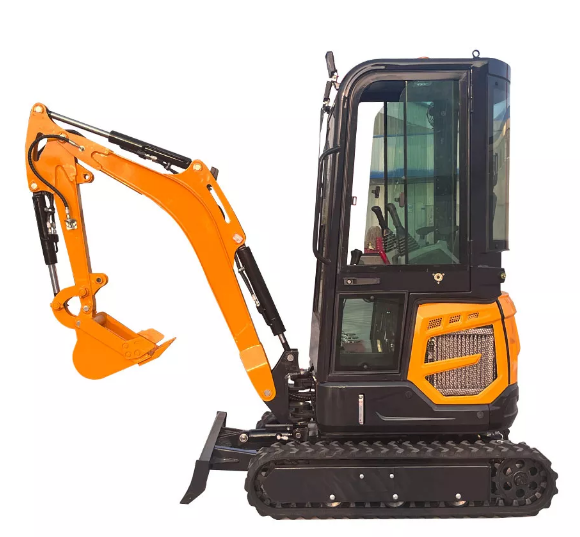
The tracked undercarriage is one of the most critical parts of your compact excavator. It supports the machine’s weight and allows it to move smoothly over rough terrain. Keeping it clean and free of debris is essential to prevent accelerated wear and damage.
After each workday, inspect the undercarriage for mud, rocks, sticks, and other debris that can get lodged between the tracks, rollers, and idlers. This buildup can cause uneven wear, reduce track tension, and even lead to track derailment. Use a stiff brush or a pressure washer to remove dirt and debris carefully. Avoid using sharp tools that could damage rubber tracks or seals.
In colder climates, mud and debris can freeze in place, causing abrasion or seizing of moving parts. Regular cleaning prevents this and extends the life of your undercarriage components. Also, pay attention to the track tension. Too loose or too tight can cause premature wear or damage. Refer to your Operation & Maintenance Manual for the correct tension specifications.
Along with cleaning, visually inspect the undercarriage components for signs of fluid leaks, cracks, or other damage. Rollers, idlers, and drive motors often have seals that keep lubricants inside. If you spot oil or grease leaking, this could indicate a failed seal that needs immediate attention.
Leaking seals can lead to loss of lubrication, causing bearings and gears to wear out faster and potentially fail. Check the rollers and idlers for smooth rotation and listen for unusual noises during operation. Also, examine the rubber tracks for cuts, tears, or excessive wear that might require replacement.
Look for missing or loose bolts and damaged guide lugs on the tracks. These issues can affect track alignment and machine stability. Early detection and repair help avoid costly breakdowns and downtime.
Remove all debris from tracks, rollers, and idlers daily
Check track tension and adjust per manufacturer guidelines
Inspect rollers, idlers, and drives for oil or grease leaks
Examine tracks for cuts, tears, or uneven wear
Look for loose or missing bolts and damaged components
Test rollers and idlers for smooth operation and abnormal sounds
Regular undercarriage inspections and cleaning not only protect your investment but also improve your excavator’s performance and safety on the jobsite.
Attachments play a vital role in your compact excavator’s versatility. To keep them working smoothly, inspect hydraulic hoses and cylinders every day before operation. Look closely for cracks, leaks, abrasions, or bulges on hoses. Any damage can cause hydraulic fluid leaks that reduce system pressure and lead to costly repairs or downtime.
Check cylinder rods for scratches, dents, or corrosion. Damaged rods can cause seal failure and fluid leaks. Also, ensure cylinder mounts and pins are tight and free of excessive wear. Loose or worn parts affect attachment performance and safety.
Pay attention to hose fittings and connectors. Make sure they are secure and not leaking. Replace any damaged hoses with OEM parts matching your excavator’s specifications. Regular inspection prevents unexpected failures and keeps attachments operating at peak efficiency.
Beyond hoses and cylinders, examine all attachment components that engage with the ground or materials. For example, bucket cutting edges, teeth, or grader blades should be checked for wear or damage. Worn parts reduce productivity and increase fuel consumption.
Verify guards and protective covers are in place and undamaged. These protect hydraulic components and extend attachment life. Also, check attachment-specific fluid levels if applicable, such as for hydraulic motors on certain attachments.
Before starting work, connect attachments properly and operate them briefly to confirm smooth function. Listen for unusual noises or jerky movements that may indicate problems. Using only attachments approved for your excavator model ensures compatibility and safety.
Daily preparation of attachments not only improves performance but also reduces the risk of breakdowns on the jobsite. It helps you avoid costly repairs and keeps your project on schedule.
Creating a planned maintenance (PM) schedule for your compact excavator is one of the smartest ways to keep it running smoothly and avoid costly surprises. A PM contract with your dealer or service provider ensures your machine gets serviced on time, following the exact intervals recommended by the manufacturer.
With a PM contract, you get:
Regular service reminders: No more guessing when to change fluids, filters, or inspect parts.
Convenient scheduling: Maintenance happens at times that fit your work calendar, minimizing downtime.
Access to trained technicians: Experts familiar with your machine handle the service, ensuring quality work.
Cost control: Scheduled maintenance helps avoid expensive emergency repairs and extends machine life.
Record keeping: Service history is documented, which is valuable for resale or warranty claims.
By having a PM contract, you reduce unexpected breakdowns and keep your excavator ready for the job every day.
A planned maintenance schedule goes beyond just fixing problems—it helps prevent them. Regular inspections and timely servicing catch wear and tear early, so small issues don’t turn into major failures.
Key benefits include:
Longer equipment life: Routine oil changes, filter replacements, and inspections protect vital components from damage.
Improved machine efficiency: Properly maintained machines run smoother and consume less fuel.
Reduced downtime: Scheduled maintenance avoids emergency breakdowns, keeping your project on track.
Increased resale value: Well-maintained excavators hold their value better in the used equipment market.
To create an effective PM schedule, work closely with your dealer. They can tailor a plan based on your machine’s model, operating hours, and jobsite conditions. Document each service in a logbook or digital system to track compliance and spot trends.
| Service Interval | Maintenance Task |
|---|---|
| Daily | Fluid level checks, visual inspections |
| Weekly | Grease fittings, battery check |
| Monthly | Filter changes, track tension adjustment |
| Quarterly | Hydraulic system inspection, oil change |
| Annually | Comprehensive machine inspection |
Following such a schedule keeps your compact excavator in top shape and ready for the toughest jobs.
Regular maintenance of compact excavators ensures safety and peak performance. Key tips include reading the manual, maintaining fluid levels, checking batteries, cleaning undercarriages, and inspecting attachments. These practices prevent costly repairs and extend equipment life. CNMC Machinery offers products with unique features that enhance efficiency and reliability. Partnering with CNMC Machinery provides access to quality service and expert support, ensuring your compact excavator remains in top condition for demanding projects.
A: The Operation & Maintenance Manual is crucial for understanding a compact excavator's safety features, proper usage, and maintenance schedules, ensuring optimal performance and safety.
A: Maintaining proper fluid levels and using the correct filters in a mini excavator prevent damage, reduce repair costs, and ensure smooth operation and longevity.
A: Daily inspection of a compact excavator's undercarriage prevents debris buildup, detects leaks early, and avoids costly repairs and downtime.
A: A planned maintenance schedule for a mini excavator extends equipment life, minimizes downtime, improves efficiency, and increases resale value.


