

Views: 0 Author: Site Editor Publish Time: 2025-10-21 Origin: Site


Ever wonder how construction crews handle tight spaces? Meet the compact, or mini, excavator. These small but mighty machines are crucial for modern construction, offering power and precision in confined areas. In this article, you'll learn what compact excavators are and why they're essential in today's construction projects. Discover their defining features, applications, and how to choose the right one for your needs.
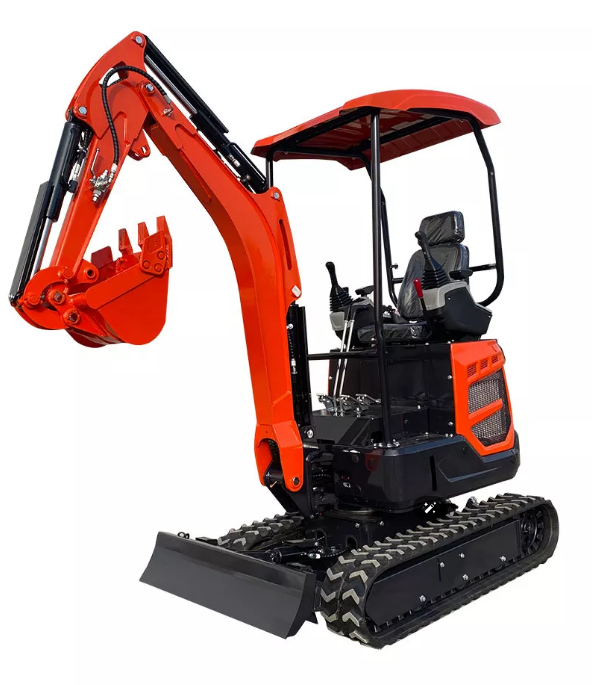
Compact excavators, often called mini excavators, are small but powerful machines designed for work in tight spaces. They usually weigh under 20,000 pounds, making them much lighter than standard excavators. Their compact size allows them to maneuver easily in confined areas where bigger machines can't fit. Most have a cab for the operator, a boom, a stick, and a bucket. Tracks provide stability and traction, though some models use wheels for faster movement on hard surfaces.
One standout feature is the zero or minimal tail swing, meaning the rear of the machine doesn't extend beyond the tracks during rotation. This design lets operators work close to walls, fences, or other obstacles without risk of collision. Despite their smaller size, compact excavators pack a surprising amount of power and versatility.
Several components make compact excavators highly functional:
Operator's Cab: A safe, comfortable space with all controls within easy reach. Modern cabs often have ergonomic seats, climate control, and excellent visibility.
Boom and Stick: These arms reach out to dig, lift, and move materials. Their length and strength vary by model.
Bucket: The primary tool for scooping soil, gravel, or debris. Buckets come in different sizes and shapes depending on the task.
Tracks or Wheels: Tracks provide stability and low ground pressure, allowing work on rough or soft terrain. Wheels offer faster travel on paved surfaces but less traction.
Stabilizer Blade: Some models include a blade at the front to improve balance and assist with grading or backfilling.
Attachments expand capabilities further. You can add augers for drilling, breakers for demolition, or grapples for handling logs or debris. Engine power ranges from around 10 to 50 horsepower, enough for most small- to medium-sized jobs.
The main difference lies in size and weight. Standard excavators can weigh up to 200,000 pounds and are suited for massive projects like highway construction or large-scale mining. Their size limits access to narrow job sites and demands more space for transport and operation.
Compact excavators excel in tight or delicate environments. They cause less soil compaction and can access backyards, urban sites, or utility trenches where larger machines can't fit. Their smaller footprint also means easier transport and lower fuel consumption.
While standard excavators offer more raw power and reach, compact models provide agility and precision. They’re ideal for landscaping, small construction projects, and utility work requiring careful maneuvering.
Compact excavators are essential on construction sites. Their small size lets them dig foundations and trenches where bigger machines can't reach. They also handle light demolition tasks, breaking concrete or removing debris efficiently. Attachments like breakers and grapples expand their usefulness for tearing down walls or moving heavy materials. Their precision helps avoid damage to nearby structures, making them perfect for urban or residential sites. These machines work fast and clean, which keeps projects on schedule.
In landscaping, compact excavators navigate tight spaces without harming plants or structures. They dig holes for trees or fence posts, grade land, and remove stumps with ease. Their low ground pressure protects delicate lawns and gardens. Farmers use them for soil preparation, land restoration, and moving materials. Attachments like augers drill holes for posts, while brush cutters manage overgrown areas. These machines boost efficiency and reduce manual labor in both landscaping and farming tasks.
Compact excavators excel in utility and infrastructure work. Their size allows access to narrow trenches for installing or repairing water, sewer, or electrical lines. They dig trenches for pipes or cables and repair potholes on roads. Their maneuverability makes them ideal for projects in crowded or confined areas, such as city streets or residential neighborhoods. They help complete infrastructure tasks quickly without causing excessive disruption.
Compact excavators are versatile tools across many industries. Their ability to work in tight spaces and handle various attachments makes them invaluable for construction, landscaping, agriculture, and utility projects. No matter the task, they deliver efficiency and precision.
Picking the right compact excavator depends on your project needs and working conditions. Size matters — think about the space you’ll be working in. A smaller machine fits tight spots but may have less power. Larger models offer more digging force and reach but need more room to operate and transport.
Next, consider operating capacity. Check digging depth, lift capacity, and reach. These specs tell you what the machine can handle. If your job requires deep trenches or heavy lifting, pick a model rated for those tasks.
Attachments are another big factor. Not all excavators support every tool. Make sure the machine can handle the attachments you need, like augers for drilling or breakers for demolition. Some attachments need extra hydraulic circuits, so verify compatibility.
Operator comfort and safety are crucial. A roomy cab with ergonomic controls reduces fatigue and boosts productivity. Safety features like backup cameras, alarms, and easy-to-use controls help prevent accidents.
Several brands lead the compact excavator market, known for quality and reliability.
Caterpillar (Cat): Offers models like the Cat 305E2 CR, known for power and compact size. Cat machines often feature advanced tech and strong dealer support.
Bobcat: The Bobcat E35 is popular for zero tail swing, making it ideal in tight spaces. Bobcat machines are praised for ease of use and durability.
John Deere: Models like the 35G deliver smooth operation and fuel efficiency. John Deere excavators often come with comfortable cabs and solid build quality.
Kubota: Known for compact size and reliability, Kubota machines suit landscaping and utility work.
Kobelco: Offers advanced hydraulic systems and operator-friendly features, great for precision tasks.
Each brand has strengths, so consider your priorities: power, maneuverability, dealer network, or price.
Customizing your excavator with attachments tailors it to your tasks. Some common attachments include:
Buckets: Standard digging buckets, trenching buckets, or grading buckets for different soil types and tasks.
Augers: Ideal for drilling holes for posts or planting.
Hydraulic breakers: Perfect for breaking concrete or rock.
Grapples: Great for handling logs, debris, or scrap.
Thumbs: Hydraulic thumbs assist in grabbing and moving irregular objects.
Remember, some attachments require additional hydraulic lines or controls. Confirm your machine’s hydraulic capabilities before purchasing new tools.
Choosing the right attachments can transform your excavator into a versatile workhorse, saving time and labor costs.

Operating a compact excavator safely starts before you even climb into the cab. Always perform a thorough walk-around inspection. Check for leaks, damaged hoses, loose bolts, and worn tracks or tires. Make sure all safety devices like backup alarms, lights, and mirrors are working properly. Personal protective equipment (PPE) is a must—wear a hard hat, steel-toe boots, gloves, and high-visibility clothing.
Once inside, fasten your seat belt and adjust the seat and mirrors for comfort and visibility. Familiarize yourself with the controls and emergency shut-off procedures. Never operate the machine if you feel tired or distracted. Always stay alert to your surroundings, including other workers, obstacles, and overhead hazards like power lines.
Before digging, locate and mark underground utilities to avoid costly and dangerous hits. Follow your site’s safety protocols and communicate clearly with coworkers. Remember, safety saves time and prevents accidents.
Mastering a few basic maneuvers can boost your confidence and efficiency:
Digging a Trench: Lower the boom gently, extend the stick toward the dig line, and curl the bucket slowly to scoop soil. Keep your movements smooth to avoid damaging underground utilities.
Loading a Truck: Position the excavator at a right angle to the truck. Scoop material, swing the boom smoothly, and dump evenly to avoid tipping the truck.
Backfilling: Rotate the upper structure to face the spoil pile. Use the bucket heel to push soil gently into the trench, layering and leveling it carefully.
Grading: Curl the bucket slightly inward and drag it slowly across the surface. Use low speed or precision mode for better control.
Practice these maneuvers on flat, open ground before tackling complex tasks. Smooth, controlled movements reduce wear on your machine and improve safety.
Every compact excavator has limits for digging depth, lifting capacity, and reach. These limits are outlined in the load chart inside the cab. Overloading or overextending the boom risks tipping or damaging the machine. For example, a typical 3.5-ton compact excavator may safely lift around 2,000 pounds at a 6-foot radius, but less as reach increases.
Avoid swinging too fast with a heavy load or working on steep slopes without proper stabilization. Know your machine’s maximum digging depth and never dig beyond it. If the machine feels unstable or unsafe, stop and reassess.
Respecting these limits not only protects the operator but also extends the life of your excavator.
Keeping your compact excavator in good shape starts with routine maintenance. Regular checks prevent breakdowns and keep your machine running smoothly. Before each use, inspect the tracks or tires for damage or excessive wear. Check all fluid levels—engine oil, hydraulic fluid, coolant—and top off as needed. Grease all pivot points and joints to reduce friction and wear. Clean or replace air filters regularly to maintain engine health and performance.
Schedule periodic oil and filter changes following the manufacturer's guidelines. These help avoid engine damage and keep hydraulics responsive. Inspect hydraulic hoses and fittings for leaks or cracks. Replace worn-out bucket teeth and pins to maintain digging efficiency. Also, keep the cab clean and check that all controls and safety devices, like alarms and lights, function properly.
Even with good maintenance, some issues may arise. Here are typical problems and quick fixes:
Engine Won't Start: Check battery charge and connections. Inspect fuel supply and filters for clogs.
Hydraulic System Sluggish: Low hydraulic fluid or dirty filters can cause slow response. Check fluid levels and replace filters.
Leaks: Look for oil or coolant leaks around hoses, seals, or the engine. Tighten fittings or replace damaged parts.
Overheating: Ensure radiator and cooling fans are clean and working. Low coolant or blocked airflow can cause overheating.
Unusual Noises: Grinding or knocking sounds may indicate worn bearings or loose parts. Stop operation and inspect immediately.
Document any recurring problems and consult your operator's manual or a certified technician for complex repairs.
Good maintenance habits extend your excavator's life and improve safety. Always follow the manufacturer's maintenance schedule and keep detailed service records. Store the machine in a dry, sheltered area to prevent rust and weather damage. Use quality fluids and genuine replacement parts for best results.
Train operators to perform daily inspections and report issues early. Avoid pushing the machine beyond its limits to reduce wear. Regularly clean the machine, especially after dusty or muddy jobs, to prevent buildup that can cause damage.
By staying proactive, you'll minimize downtime and costly repairs, keeping your compact excavator ready for any job.
Deciding whether to rent or buy a compact excavator depends largely on your budget and project needs. Renting offers lower upfront costs, making it ideal for short-term or occasional projects. You avoid expenses like maintenance, storage, and depreciation. Plus, rental companies often provide well-maintained machines, reducing downtime risks.
Buying, on the other hand, requires a significant initial investment but can be more cost-effective over time if you use the machine frequently. Ownership means you control availability and can customize the excavator to your specific needs. However, you bear maintenance, repair, and storage costs. It’s essential to calculate total costs over the expected usage period to make an informed choice.
Evaluate how often and how long you’ll need the excavator. For one-off jobs or seasonal use, renting makes sense. It offers flexibility and access to the latest models without long-term commitment. Renting also lets you try different machines to find what fits best.
If your work requires daily or continuous use, purchasing is usually more practical. Owning a compact excavator ensures it's always ready and available. It also allows you to build operator familiarity, improving efficiency and safety. Consider your workload, project pipeline, and budget before deciding.
Whether renting or buying, partnering with a reputable dealer is crucial. Reliable dealers offer quality machines, transparent pricing, and excellent customer service. They can advise on the best model and attachments for your needs and provide support like maintenance and training.
Look for dealers with strong industry experience, positive reviews, and a broad inventory. Local dealers often provide quicker service and easier access to parts. Verify warranty terms and after-sales support. Building a good relationship with your dealer can save time and money in the long run.
Compact excavators have grown smarter and more efficient thanks to new technology. One major leap is remote monitoring systems. These let operators and managers track machine health, fuel use, and location in real-time. This data helps schedule maintenance before breakdowns happen, reducing costly downtime.
GPS and telematics now come standard on many models. They provide precise positioning, helping operators dig or grade accurately. Some systems also allow geofencing, alerting supervisors if machines leave designated areas, improving security and asset management.
Control systems have become more intuitive. Joystick responsiveness and hydraulic flow adjust automatically based on the task, making operations smoother and less tiring. Some machines offer customizable work modes, like power mode for tough digging or eco mode to save fuel.
Environmental concerns have pushed manufacturers to develop greener compact excavators. Electric models are gaining ground, offering zero emissions and near-silent operation. These are perfect for indoor jobs or urban sites sensitive to noise and pollution.
Hybrid excavators combine diesel engines with electric motors to reduce fuel consumption and emissions. They deliver the power operators need while cutting operating costs.
Hydraulic systems have also improved. New designs reduce energy loss and increase efficiency, allowing machines to do more work with less fuel. Features like auto idle-stop save fuel by shutting down the engine during pauses automatically.
Looking ahead, autonomous compact excavators are on the horizon. These machines will operate with minimal human input, using sensors and AI to navigate and perform tasks safely. This could boost productivity and reduce risks for operators.
Modular attachments are becoming more popular. Quick-change systems let operators swap tools like buckets, breakers, or augers in minutes. This flexibility means one machine can handle many jobs without downtime.
Smart diagnostics will continue evolving, offering predictive maintenance alerts and remote troubleshooting. This keeps machines running longer and cuts repair costs.
Overall, compact excavators are transforming into high-tech, eco-friendly, and versatile tools that meet modern job site demands.
Tip: When investing in a compact excavator, look for models featuring remote monitoring and eco-friendly technology to boost productivity and reduce operating costs.
Compact excavators, also known as mini excavators, are versatile machines designed for tight spaces. They offer significant power and agility, making them ideal for construction, landscaping, and utility projects. Future trends include eco-friendly models and advanced technology like remote monitoring and autonomous operation. CNMC Machinery provides compact excavators that deliver efficiency and precision, ensuring high productivity and reduced costs. Investing in these machines offers long-term value, meeting modern job site demands with innovative features and reliable performance.
A: A compact excavator, or mini excavator, is a small, powerful machine designed for work in tight spaces, typically weighing under 20,000 pounds.
A: Compact excavators are smaller and lighter, ideal for tight spaces, while standard excavators are larger, suited for massive projects.
A: Compact excavators maneuver easily in tight spaces and have low ground pressure, protecting delicate lawns and gardens.
A: Renting offers lower upfront costs, flexibility, and access to the latest models without maintenance or storage expenses.


