

Views: 0 Author: Site Editor Publish Time: 2025-10-21 Origin: Site


Is your mini excavator's undercarriage wearing out faster than expected? Proper maintenance is crucial for extending its life and avoiding costly repairs. In this post, you'll learn six essential tips to keep your undercarriage in top condition, ensuring longevity and efficient operation.
Extending the life of your mini excavator's undercarriage starts with how you operate it. Following basic practices reduces wear and tear, helping you avoid costly repairs and downtime. Here are key habits to adopt:
Make Wider Turns: Sharp turns or pivoting put extra stress on tracks and rollers. Instead, make wider, gentler turns to spread out the pressure. This lowers the risk of track damage and detaching.
Minimize Time on Slopes: Working on slopes constantly causes uneven wear on one side of the undercarriage. When you must operate on hills, position the drive motor at the back of the machine. This setup improves maneuverability and reduces track strain going uphill or downhill.
Avoid Harsh Environments: Rough surfaces like asphalt or concrete accelerate track wear. Whenever possible, limit work on abrasive materials or use protective measures. This prevents premature damage to track shoes and chains.
Reduce Unnecessary Spinning: Spinning tracks aggressively wastes energy and increases wear. Train operators to avoid excessive spinning by using smooth, controlled movements. This not only extends track life but also boosts productivity.
By integrating these simple practices into daily operation, you protect your undercarriage from avoidable damage. It's a cost-effective way to keep your excavator running longer and more efficiently.
Keeping your mini excavator's undercarriage clean is essential for extending its life and maintaining efficient operation. Dirt, mud, rocks, and debris can build up in the undercarriage during daily work, causing premature wear and even damage if left unchecked. Here's how to keep it clean and why it matters:
At the end of each workday, take time to remove mud and debris from the undercarriage. This prevents buildup that can trap moisture and accelerate rusting or wear on moving parts. Use a sturdy shovel or scraper to dislodge packed dirt, especially around rollers, sprockets, and track links.
For a deeper clean, use a pressure washer to blast away stubborn grime. Focus on areas where material tends to collect, such as the track chain, rollers, and idlers. Avoid directing water at seals or electrical components to prevent damage.
Shovel or scraper: For removing large clumps of mud and debris.
Pressure washer: Ideal for thorough cleaning, especially after working in muddy or sticky environments.
Brushes: Stiff-bristled brushes help dislodge dirt in crevices.
Compressed air: Useful for blowing out dust and fine particles from hard-to-reach spots.
Some manufacturers design undercarriages to allow easier debris fall-out, but regular cleaning is still necessary to avoid buildup.
Reduces wear: Dirt and debris act like abrasives, accelerating wear on track components.
Prevents corrosion: Moisture trapped by mud can cause rust and weaken metal parts.
Improves fuel efficiency: Excess weight from packed debris increases fuel consumption.
Facilitates inspections: A clean undercarriage makes it easier to spot damage or loose parts early.
Extends component life: Regular cleaning helps maintain proper function and longevity of rollers, sprockets, and track chains.
By committing to a daily cleaning habit, you protect your investment and keep your excavator running smoothly longer.
Tip: Schedule daily undercarriage cleaning as a standard operator task to prevent costly repairs and extend track life.
Regular, thorough inspections of your mini excavator's undercarriage are critical to catch wear and damage early. This prevents minor issues from turning into costly repairs or downtime. Here's what to focus on during your inspections:
Drive Motor: Check for oil leaks or unusual noises. Leaking seals can cause major damage if not fixed quickly.
Drive Sprockets: Look for worn or sharpened teeth. Sprockets with pointed teeth should be replaced to avoid track damage.
Main Idlers: Inspect for cracks, dents, or oil leaks. Damaged idlers affect track alignment and tension.
Rock Guards: Ensure rock guards are intact and properly positioned to protect rollers and sprockets from debris.
Rollers: Check for smooth rotation and signs of wear or damage. Stuck or worn rollers increase track wear.
Track Bolts: Tighten any loose bolts to prevent track misalignment or shoe loss.
Track Chains and Shoes: Look for bent or broken shoes, loose pins, or excessive wear on the chain links. Bent shoes can damage adjacent parts.
Track Tension: Confirm proper tension to avoid excessive wear or risk of detaching.
Uneven wear patterns on tracks or rollers often indicate alignment or tension issues.
Oil leaks around drive motors or idlers suggest seal failure needing immediate attention.
Loose or missing track bolts can cause shoe misalignment and accelerate wear.
Bent or cracked track shoes should be replaced promptly to prevent further damage.
Sprocket teeth that look sharp or hooked mean it's time for replacement.
Ignoring wear signs leads to bigger problems and higher costs. For example, a leaking drive motor seal can cause internal damage requiring expensive overhaul. Bent track shoes left unattended may damage the entire track chain, increasing replacement costs. Tightening loose bolts early prevents track misalignment and shoe loss, reducing downtime.
When you spot issues, address them immediately or contact your dealer’s service team for expert help. Regular inspections combined with prompt repairs keep your undercarriage in top shape and extend its service life.
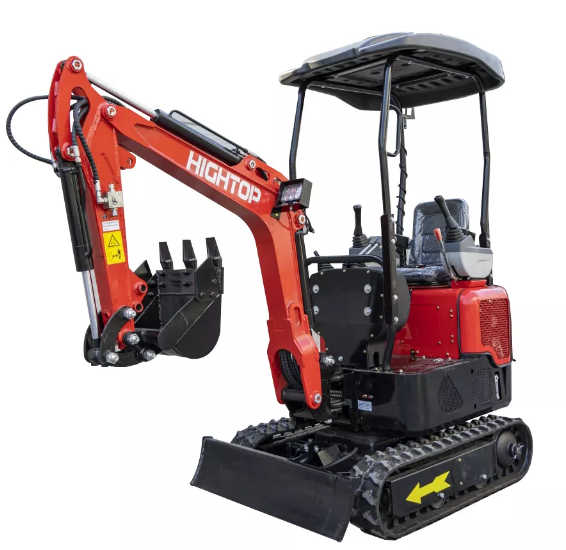
Maintaining proper track tension is crucial for extending the life of your mini excavator's undercarriage. Tracks that are too tight or too loose cause accelerated wear, potential damage, and costly downtime. Here's how to check, adjust, and manage track tension effectively:
To check track tension, first ensure the machine is on level ground and turned off. Locate the track chain, then find the section between the upper and lower rollers. The track should have a slight sag or slack, typically between 4 to 6 cm (about 1.5 to 2.5 inches). You can measure this by pressing lightly on the track midway between the rollers or using a tape measure for accuracy.
Another method is to observe the distance between the track shoe and the frame at the midpoint of the track. If the track sits too tight against the frame with no noticeable sag, it's likely over-tightened. Conversely, if there's excessive slack or the track appears loose, it needs tightening.
Always refer to your excavator's operation manual for manufacturer-specific tension guidelines. Different models might have unique specifications.
Track tension requirements vary depending on ground conditions:
Soft or muddy terrain: Looser track tension helps prevent excessive strain on components and reduces the risk of track damage or derailment. It also allows the track to conform better to uneven surfaces, improving traction.
Hard or abrasive surfaces: Tighter track tension is advisable to minimize track slippage and reduce wear caused by track movement over rough ground.
To adjust tension, locate the track adjuster valve or grease fitting, usually near the front idler. Use a grease gun to add or release pressure according to the manual’s instructions. Adding grease tightens the track by pushing the idler outward, while releasing grease loosens it.
Improper track tension can lead to several issues:
Too tight: Excessive tension causes increased wear on rollers, sprockets, and track links. It puts unnecessary stress on the final drive, leading to premature failure. Tight tracks also reduce fuel efficiency due to increased resistance.
Too loose: Loose tracks can derail or come off during operation, causing downtime and potential damage to the undercarriage. They also cause uneven wear and may lead to bent or broken track shoes.
Regularly checking and adjusting track tension prevents costly repairs and extends the lifespan of your undercarriage components.
Using rubber tracks on your mini excavator can make a big difference, especially when working on delicate or finished surfaces. Rubber tracks offer several advantages that help protect both the surface and your machine's undercarriage.
Rubber tracks provide excellent flotation, meaning they spread the machine’s weight over a larger area. This reduces ground pressure and prevents the machine from sinking into soft or loose surfaces like grass, dirt, or sand. They also cause less surface damage compared to steel tracks, which can gouge or scratch finished surfaces such as concrete, asphalt, or landscaping.
Another benefit is quieter operation. Rubber tracks absorb vibrations and noise, making them ideal for urban or residential job sites where noise restrictions may apply. Additionally, rubber tracks tend to cause less wear on the undercarriage components like rollers and sprockets because they flex and conform to the terrain more gently.
Rubber tracks are particularly useful when working on:
Finished surfaces: Concrete, asphalt, pavers, or any surface where marks or damage must be avoided.
Landscaping jobs: Grass, sod, or soft soil that can be easily damaged by steel tracks.
Urban environments: Areas with noise restrictions or where minimizing disruption is critical.
Soft ground: Muddy or sandy conditions where better flotation helps prevent getting stuck.
Using rubber tracks in these scenarios protects your worksite and reduces cleanup or repair costs after the job.
Rubber tracks help extend the life of your undercarriage by reducing abrasive wear. They cushion the impact between the track and the ground, which means less shock and vibration travel through the undercarriage components. This reduces stress on rollers, sprockets, and chains, helping them last longer.
Since rubber tracks are lighter than steel, they also lower the overall weight your machine carries, improving fuel efficiency and reducing strain on the final drive system. The flexibility of rubber tracks allows them to absorb uneven terrain better, preventing sharp impacts that can damage track shoes or links.
However, rubber tracks do wear out faster than steel tracks in extremely rough or rocky conditions, so it’s important to choose the right track type for your job.
Building a strong relationship with your equipment dealership is one of the smartest ways to extend your mini excavator’s undercarriage life. Unplanned repairs often cause costly downtime and higher expenses. A planned maintenance schedule, created in partnership with your dealer, helps you avoid these issues and keeps your machine running smoothly.
A well-structured maintenance plan provides several advantages:
Predictable Costs: Scheduled maintenance helps control expenses by preventing unexpected breakdowns.
Reduced Downtime: Regular servicing minimizes the risk of sudden failures that halt work.
Longer Equipment Life: Timely upkeep keeps components in good shape, extending overall machine longevity.
Better Resale Value: Machines with documented maintenance histories sell better.
Your dealer can customize a maintenance schedule based on your machine’s usage, operating conditions, and manufacturer recommendations. This proactive approach avoids costly surprises and keeps your undercarriage in top condition.
Dealership technicians have specialized training and access to the latest diagnostic tools. They can spot small issues before they become major problems. Their expertise ensures repairs and adjustments meet manufacturer standards, maintaining warranty coverage and machine reliability.
Technicians can also provide valuable advice on best practices for operation and maintenance. They may recommend parts replacements, lubrication schedules, or upgrades that improve performance and durability.
Many dealers offer mobile service, sending technicians to your jobsite. This convenience reduces downtime and keeps your operators productive.
Set up regular check-ins with your dealer to inspect and service your undercarriage. This might include:
Track tension adjustments
Lubrication of rollers and idlers
Inspection of sprockets and track shoes
Cleaning recommendations
Replacement of worn parts
Use a maintenance log to track all service activities. This documentation helps you stay on schedule and provides proof of proper care for warranty or resale purposes.
Remember, routine maintenance is an investment that pays off by extending your undercarriage life and reducing costly repairs.
Extending the life of your mini excavator's undercarriage involves following basic operating practices, keeping it clean, conducting regular inspections, maintaining proper track tension, using rubber tracks where appropriate, and partnering with your dealership. These proactive measures reduce wear and tear, prevent costly repairs, and ensure efficient operation. By integrating these tips, you protect your investment and enhance machine longevity. CNMC Machinery offers reliable equipment and expert services, providing exceptional value and support for maintaining your excavator's undercarriage.
A: Basic practices include making wider turns, minimizing time on slopes, avoiding harsh environments, and reducing unnecessary spinning. These habits help reduce wear and tear, preventing costly repairs and downtime.
A: Regular cleaning reduces wear, prevents corrosion, improves fuel efficiency, facilitates inspections, and extends component life. Removing dirt and debris prevents premature wear and damage.
A: Proper track tension prevents accelerated wear, potential damage, and costly downtime. It ensures smooth operation and extends the lifespan of undercarriage components.
A: Rubber tracks provide excellent flotation, reduce ground pressure, minimize surface damage, offer quieter operation, and reduce wear on undercarriage components, making them ideal for sensitive surfaces.
A: Collaborating with a dealership for a planned maintenance schedule ensures regular servicing, reduces downtime, extends equipment life, and maintains better resale value through expert care.


