

Views: 0 Author: Site Editor Publish Time: 2025-09-09 Origin: Site


You want to find the Mini Excavator that fits your job perfectly. Start by looking at what you need for your project. Think about the size of your work area, the power you need, and the type of soil or terrain you will face. Many people choose these machines for small or busy spaces because they mix strength with a compact frame. Pay attention to things like engine power, how comfortable the cab feels, and if you can use different attachments. All these details help you make a smart choice.
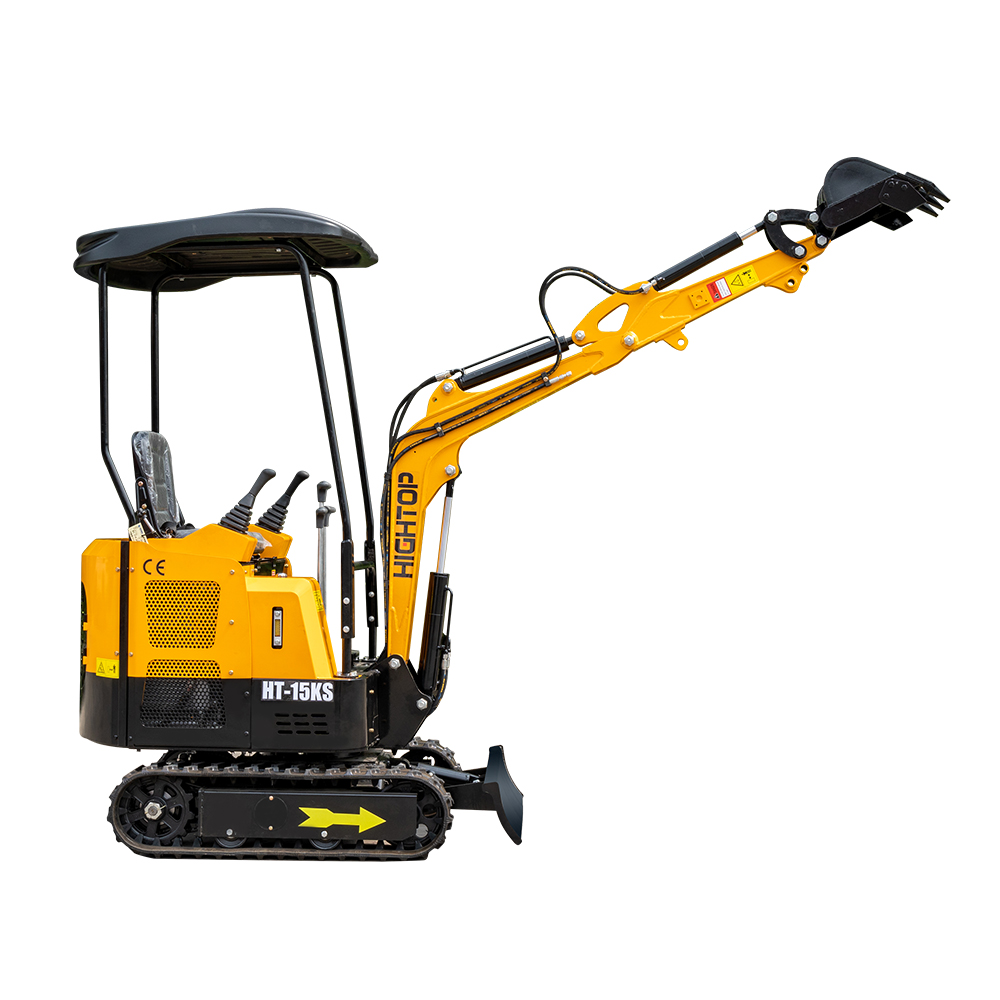
Think about what your project needs. Look at the size, type of work, and ground. This helps you pick the best mini excavator.
Decide how much money you can spend before you shop. A machine that fits your needs will save you time and money later.
Check for important things like digging depth, engine power, and attachments. These features help the machine do more jobs and work better.
Always try out the mini excavator before you buy it. Seeing it in person lets you find problems and make sure it is right for you.
Think about the brand’s reputation and the warranty. Good brands give better help and are more reliable for your money.
Before you choose a Mini Excavator, you need to think about your project. Every job is different. Some projects are small, like digging a garden or fixing a driveway. Others are bigger, like building a house or working on a construction site. You should look at the size and scope of your project, the type of ground, and how deep you need to dig. The table below shows what to consider:
Factor | Description |
|---|---|
Project Size and Scope | Is your job small or large? This helps you pick the right machine. |
Terrain and Site Conditions | Is the ground flat, rocky, or tight? You need a machine that fits the space. |
Material Types and Handling | Will you move dirt, rocks, or something else? The weight matters. |
Digging Depth and Capacity | How deep do you need to dig? Make sure the machine can handle it. |
Maneuverability and Accessibility | Will you work in tight spots? Choose a machine that can move easily. |
Transport and Logistics | Can you get the machine to your site? Think about storage too. |
Your work environment changes what you need from a Mini Excavator. If you work in a city or a backyard, you need a machine that fits in small spaces. These machines work well in tight areas where big equipment cannot go. They also do less damage to the ground, which is great for lawns or gardens. If you work at night or near homes, you want a machine that is quiet and does not pollute much. Newer models have cleaner engines and make less noise, so they are better for the environment and for people nearby. You can also use different attachments to do more jobs with one machine.
You should always set a budget before you shop. Mini excavators come in different sizes and prices. Here is a quick look at what you might pay:
Weight Classes | Prices |
|---|---|
1-Ton Mini Excavators | $20,000 to $30,000 |
2-Ton Mini Excavator | $25,000 to $35,000 |
2.7-Ton Mini Excavator | $30,000 to $45,000 |
3.5-Ton Mini Excavator | $35,000 to $60,000 |
Tip: Think about not just the price, but also the value. A machine that fits your needs will save you money and time in the long run.
When you look at a Mini Excavator, size and weight matter a lot. You want a machine that fits your job site and can move easily. Smaller models, weighing between 2,000 and 4,000 pounds, slip into tight spaces. These are perfect for landscaping in backyards or working around houses. Heavier Mini Excavators, above 10,000 pounds, give you more stability. You can lift bigger loads and dig deeper with these machines. Moving a heavier excavator takes more planning. You might need a special trailer, while lighter ones can travel between sites with less hassle.
Tip: Always check the operating weight before you buy. It affects how you transport the Mini Excavator and how well it works on your site.
Here are some key features you should look at:
Digging depth and reach
Engine horsepower
Hydraulic flow
Lifting capacity
Machine size
Operating weight
Tail swing type
Digging depth tells you how deep your Mini Excavator can go. If you need to dig trenches for pipes or plant trees, this number is important. Most Mini Excavators can dig between 5 and 12 feet. Smaller machines reach about 5 to 7 feet. Bigger models can go down 10 to 12 feet. You should match the digging depth to your project needs.
Mini Excavator Size | Digging Depth Range |
|---|---|
1-2 ton | 5 to 8 feet |
2-4 ton | 8 to 10 feet |
5-6 ton | 10 to 12 feet |
7-10 ton | 12 to 15 feet |
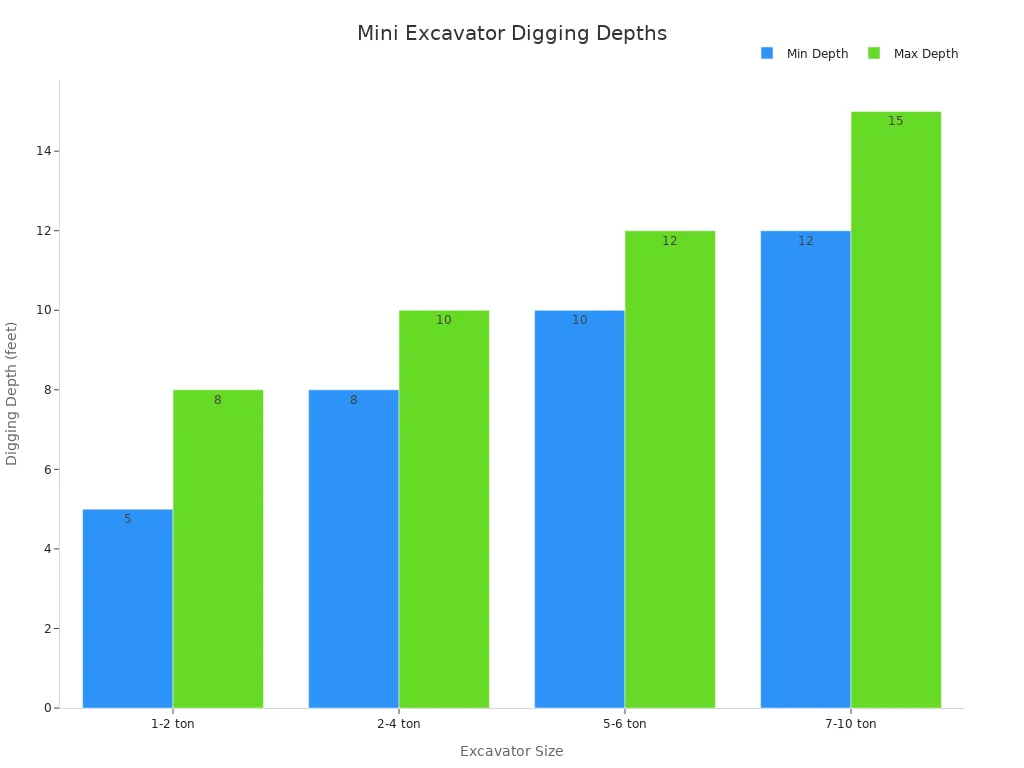
You can see that the right Mini Excavator makes your job easier. If you pick a model with the right digging depth, you save time and effort.
Attachments turn your Mini Excavator into a multi-tool. You can swap out buckets, add augers, or use grapples. Auger attachments help you drill deep holes for posts or trees. Grapple buckets let you move heavy stuff like logs or rocks. Trenching attachments make it easy to dig narrow, straight trenches for pipes or cables. Thumb attachments help you grab odd-shaped items, like branches or debris.
Auger Attachments: Drill deep holes in tough ground.
Grapple Buckets: Move heavy materials safely.
Trenching Attachments: Dig precise trenches for utilities.
Thumb Attachments: Pick up and hold odd-shaped objects.
Each attachment boosts the Mini Excavator’s versatility. You can do more jobs with one machine, which saves you money and space.
You want to know how much it costs to run a Mini Excavator. Fuel, maintenance, and operator pay all add up. On average, you spend about $5 per hour on fuel. If you use your Mini Excavator for four hours a day, that’s about $20 in fuel. Operator salary is usually $50 per hour. Maintenance costs can range from $8,000 to $15,000 a year, depending on how much you use the machine and its condition.
Cost Component | Amount |
|---|---|
Operator Salary per Hour | $50 |
Diesel Cost per Gallon | $2.66 |
Fuel Consumption Rate | 1.5 gallons/hour |
Replacement Tracks Cost | $2,000 per set |
Daily Lubrication Cost per Year | $1,900 |
Consumables Cost per Year | $500 |
Total Operating Cost per Hour | $58.71 |
Note: Keeping up with regular maintenance helps you avoid big repair bills. A well-maintained Mini Excavator lasts longer and works better.
Modern Mini Excavators come with new technology. You get advanced diesel engines, smart hydraulic systems, and joystick controls. Some models have GPS and machine control systems for better accuracy. Safety features like cameras and sensors keep you safe on the job. Entry-level models offer basic controls and comfort, while premium models give you touchscreen displays, better seats, and automated attachment features.
You want a Mini Excavator from a brand you trust. CNMC is a well-known construction machinery maker. Their machines are strong and last a long time. CNMC has service centers in the US, Canada, UK, and Italy. You get a real warranty from the company. If you need help, CNMC gives free online support for one year. You also get free replacement parts for a year. This makes owning a CNMC Mini Excavator simple and safe.
Here’s a quick look at CNMC’s support:
Feature | Details |
|---|---|
Warranty | 1-year warranty on core components, including engine and pump |
Online Support | Free online technical support for 1 year after purchase |
Replacement Parts | Free replacement parts for 1 year |
Global Availability | Showrooms in US, Canada, UK, Italy |
You want to choose the best CNMC Mini Excavator for your job. Here is a table to help you compare five models:
Model | Operating Weight | Engine Power | Cab Type | Digging Depth | Best Use Case |
|---|---|---|---|---|---|
HT-15KS | 1.5 ton | 13.5 hp | Open | 7.2 ft | Small gardens, tight spaces |
HT12G | 1.2 ton | 10.2 hp | Open | 6.5 ft | Light landscaping, DIY jobs |
HT25 | 2.5 ton | 18.5 hp | Closed | 9.2 ft | Utility trenching, farms |
HT18-3 | 1.8 ton | 14.8 hp | Open | 7.8 ft | Residential, small projects |
HT20Pro | 2.0 ton | 16.2 hp | Closed | 8.5 ft | Construction, rental fleets |
HT-15KS and HT12G are good for small spaces. They are easy to move and simple to use.
HT25 has more power and a closed cab. You stay dry and warm in bad weather.
HT18-3 is a good mix of size and digging depth. You can use it for many jobs.
HT20Pro is best for building sites. It has a closed cab and a strong engine.
Tip: Pick HT-15KS or HT12G for tight spaces. For bigger jobs, HT25 or HT20Pro give you more power and comfort.
Buying a new mini excavator feels exciting. You get a machine that has never worked a day in its life. Here are some reasons you might want to go new:
Manufacturer’s Warranty: New excavators usually come with a full warranty. This covers big repairs and gives you peace of mind.
Latest Technology: You get the newest features. These machines run smoother, use less fuel, and help you work faster.
Lower Maintenance Costs: New machines rarely break down in the first few years. You spend less on repairs and keep your project moving.
Better Resale Value: New excavators hold their value longer. If you sell later, you get more money back.
Quality and Reliability: You know the machine has no hidden problems. It works at its best from day one.
Most new mini excavators offer warranty options like powertrain coverage, hydraulic system protection, and even full coverage for up to 36 months or 5,000 hours. Some brands let you extend this for extra years.
Used mini excavators can save you money upfront. You might find a great deal, especially if you only need the machine for a short time. Some used machines even come with extended warranty options.
But you need to watch out for risks. Here’s a quick look:
Risk Type | Description |
|---|---|
Hydraulic Issues | Leaks or slow response can mean big repairs. Dirty oil is a warning sign. |
Engine Damage | Listen for strange noises. Check for leaks and high hours on the meter. |
Structural Damage | Cracks, rust, or corrosion can make the machine unsafe. |
High Operating Hours | Over 10,000 hours means more wear and shorter life. |
Deficient Maintenance | Missing service records can hide past problems. |
Tip: Always ask for maintenance records. A well-kept machine is safer and lasts longer.
You want to make sure your used mini excavator is in good shape. Here’s what you should check:
Look for dents, cracks, or bends on the body.
Check the undercarriage for damage or worn parts.
Inspect the tracks. They should rotate freely and show no big cuts.
Watch for leaks around hydraulic pumps, hoses, and cylinders.
Test all controls. Move the boom, stick, and bucket to see if they work smoothly.
Check engine fluids. Low or dirty fluids can mean trouble.
Make sure safety features like ROPS and decals are in place.
Try a digging cycle. Listen for odd sounds and feel for looseness.
Pro Tip: Use a checklist during your inspection. This helps you spot problems before you buy. A careful look now can save you from expensive repairs later.
You want to see the mini excavator up close before you buy it. An in-person inspection helps you spot problems that photos or videos might hide. Here’s a step-by-step way to check the machine:
Look at the outside for dents, scrapes, or signs of repair.
Check the tracks for wear and look for leaks near hydraulic parts.
Move the boom, stick, and bucket. They should work smoothly and stay quiet.
Inspect the hydraulic system for leaks. Try every mode to see how it runs.
Take the excavator for a test drive. Notice how it handles and how the controls feel.
Drive it on different surfaces. See how it performs in each setting.
Ask for the maintenance history. This tells you how well the machine was cared for.
Tip: Bring a flashlight and a checklist. You don’t want to miss anything important.
You need to know if the mini excavator works as it should. A good performance test shows you how the machine handles real jobs. Try these checks:
Test the excavator with a load. Watch for stability and strong hydraulic power.
Use a pressure gauge to check the hydraulic system.
Move the boom, arm, and bucket through their full range. They should move smoothly.
Walk around the machine again. Look for leaks or worn parts.
Pay attention to how the excavator responds. It should feel precise and quick.
Note: If you notice slow movement or strange sounds, ask questions. These can mean bigger problems.
Service records matter more than you think. They show you how the mini excavator was treated over time.
You can see if the owner kept up with regular maintenance.
Detailed records make the machine more valuable and trustworthy.
A well-documented history can boost resale value and help you decide if it’s worth buying.
Tip: Always ask for service records. A machine with a good history is usually a safer bet.
You can pick the best mini excavator by following a few smart steps. First, look at your project needs and budget. Next, check features like digging depth, engine power, and arm reach. Compare top brands and models. Decide if you want new or used. Always test the machine before buying.
Factor | How to Check |
|---|---|
Structural Integrity | Look for wear and tear |
Hydraulic System | Inspect lines and fittings |
Stability | Test balance on uneven ground |
If you use these steps, you’ll feel confident and ready to choose the right excavator for your job. Ready to get started? Your perfect machine is waiting! ��
You want a machine under 2 tons for most backyard jobs. These fit through gates and work in tight spaces. You can move them easily and they won’t damage your lawn.
You should check fluids and filters every 50 hours. Plan for a full service every 250 hours. Regular care keeps your machine running strong and helps you avoid costly repairs.
Yes! You can swap buckets, add augers, or use grapples. Most mini excavators support many attachments. This lets you tackle digging, lifting, and grading with one machine.
You need a sturdy trailer with ramps. Secure the excavator with chains and straps. Always check local rules for hauling heavy equipment. Safety first!


