

Views: 0 Author: Site Editor Publish Time: 2025-10-24 Origin: Site


Lifting heavy loads with mini excavators can be risky without proper knowledge. Why is safety crucial when operating these powerful machines? Understanding the importance of safe lifting ensures both operator safety and equipment longevity. In this post, you'll learn about mini excavator capabilities, applications, and essential safety practices for efficient operation.
Hydraulics act as the powerhouse behind a mini excavator's lifting ability. The system uses pressurized fluid to move the boom, arm, and bucket, converting hydraulic pressure into mechanical force. This force lets the machine lift heavy loads smoothly and precisely. When you operate the controls, hydraulic cylinders extend or retract, causing the boom or arm to move accordingly. The fluid moves through hoses and valves, ensuring the right amount of power reaches each part.
Hydraulic systems offer several advantages:
They provide strong, consistent lifting power.
Movements are smooth, allowing precise load placement.
The system adapts to different load weights automatically.
However, the system needs regular maintenance. Leaks or worn hoses can reduce lifting power and cause safety risks. Keeping hydraulic fluid at recommended levels and inspecting components helps maintain optimal performance.
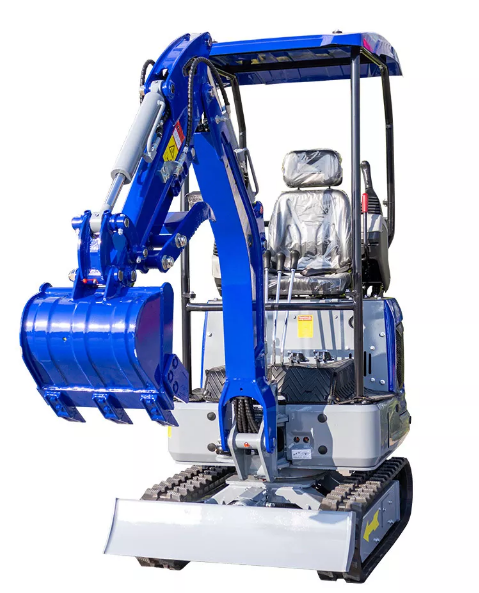
The boom, arm, and bucket form the core lifting mechanism on a mini excavator:
Boom: This is the first long section attached to the machine’s body. It raises, lowers, and extends to position the arm.
Arm (or Stick): Connected to the boom, the arm extends further to reach the load. It moves to adjust load distance and height.
Bucket: Attached at the arm's end, the bucket scoops, grabs, or hooks the load. Different bucket types or attachments can be used depending on the task.
These components work together through the hydraulic system. For example, when lifting a load, the boom raises the arm, and the arm extends to position the bucket under the load. The bucket then secures the load, either by scooping or gripping. Operators must understand how these parts interact to avoid overextending or overloading, which can cause tipping or equipment damage.
Each component has a maximum safe range of motion and load capacity. Staying within these limits ensures safe operation and prolongs machine life.
Before starting any lifting task, thoroughly inspect the mini excavator to ensure it’s in top shape. Check the hydraulic system for leaks or damage, as fluid loss can reduce lifting power and cause sudden failures. Examine the boom, arm, and bucket for cracks, bends, or excessive wear that might compromise strength. Verify that all pins and bolts are secure and that attachments are properly fastened. Also, confirm hydraulic fluid levels meet manufacturer recommendations for smooth operation. Don’t forget to test the controls to ensure responsiveness and no unusual noises during movement.
Knowing the exact weight of the load is critical. Always compare the load weight against the mini excavator's rated lifting capacity, found in the operator's manual or on the lift capacity chart. Never guess the weight; if uncertain, weigh the load or break it into smaller parts. Also, assess the load's shape and stability. Uneven or shifting loads can cause imbalance, increasing the risk of tipping or dropping the load. Secure the load properly using suitable attachments like slings, chains, or specialized buckets designed for lifting.
The ground beneath the mini excavator must be stable and level. Inspect the work area for soft spots, mud, loose gravel, or uneven terrain that could cause the machine to sink or tip. Avoid lifting on slopes or unstable surfaces whenever possible. If the ground is uneven, use mats or steel plates to create a firm base. Also, clear the area of debris and obstacles to allow safe maneuvering. Proper ground conditions are essential to maintain the excavator's balance during lifting and moving operations.
Choosing the right attachment is key to safely lifting and moving loads with a mini excavator. Different tasks require different tools to secure and handle materials properly. For example:
Buckets: Ideal for scooping loose materials like dirt, gravel, or sand. Use a bucket sized appropriately for the load to avoid overloading the excavator.
Grapples: Great for grabbing irregular or bulky objects such as logs, scrap metal, or demolition debris. Grapples securely hold the load, reducing the risk of slipping.
Lifting Hooks or Slings: Designed for lifting suspended loads like pipes, steel beams, or trench shields. These attachments often connect to a dedicated lifting point on the excavator’s arm or quick hitch.
Always ensure attachments are compatible with your mini excavator model and are rated for the expected load weight. Incorrect or damaged attachments can lead to load instability or equipment damage. Attachments should be inspected for wear, cracks, or loose pins before use.
Before lifting, confirm the load falls within the excavator’s rated lifting capacity. This capacity varies depending on the machine’s configuration, boom angle, and reach distance. Consult the operator’s manual or lifting capacity chart to check limits.
Keep these points in mind:
Know the Load Weight: Never estimate. Weigh the load or break it into smaller parts if uncertain.
Consider Load Shape and Stability: Uneven or shifting loads require extra caution. Secure loads firmly using chains, slings, or other rigging gear.
Position the Load Close: Keep the load as close to the excavator’s centerline as possible. The farther out the load, the less weight the machine can safely lift.
Avoid Sudden Movements: Lift and lower loads smoothly to prevent swinging or jolting, which can destabilize the machine.
By strictly adhering to these guidelines, operators reduce the risk of tipping, hydraulic strain, or dropping the load.
Tip: Always match attachments to the specific load type and verify the combined weight of the load plus attachment stays within the excavator's rated lifting capacity for safe operation.
Keeping the area around the load clear is vital for safety. Always establish a well-defined perimeter where no unauthorized personnel can enter during lifting operations. This prevents workers from being struck by the load or the excavator itself if something goes wrong. Use barriers, cones, or caution tape to mark the danger zone clearly. Make sure everyone on site understands the boundaries and stays outside them until the lift is complete.
Communication between the operator and spotters is crucial for safe operation. Spotters help guide the operator, especially when visibility is limited or the load is large and awkward. Use agreed-upon hand signals or two-way radios to maintain constant contact. Before starting, brief the spotters and operator on the signals and procedures. This coordination helps prevent collisions, load swings, and other hazards by ensuring everyone knows what to expect and can react quickly.
Weather can significantly impact lifting safety. High winds can cause loads to sway dangerously, while rain or snow can make the ground slippery or unstable. Before lifting, evaluate weather conditions carefully. Avoid lifting during strong gusts or storms. If the ground is wet or icy, consider using mats or steel plates to improve stability. Adjust lifting speed and movements to be smoother and slower in adverse weather. Always prioritize safety over speed or convenience.
Operating mini excavators to lift and move loads requires attention to detail and strict adherence to safety guidelines. Avoiding common mistakes ensures both operator safety and equipment longevity. Here are key errors to watch out for:
One of the most critical mistakes is exceeding the machine's rated lifting capacity. Overloading can cause hydraulic failure, loss of control, or even tip the excavator. Always check the load weight against the excavator’s lifting capacity chart before lifting. Remember, the rated capacity varies depending on boom angle, arm extension, and load position. Never guess the weight — if unsure, weigh the load or split it into smaller parts.
Incorrect boom positioning can destabilize the excavator or cause uneven stress on components. Operators should keep the boom within recommended angles for each lift, as specified in the operator’s manual or capacity chart. Avoid extending the boom too far horizontally while lifting heavy loads, as this reduces stability and increases the risk of tipping. Smooth, controlled boom movements help maintain balance and prevent sudden load swings.
Neglecting routine inspections can lead to unexpected equipment failure. Regularly check hydraulic hoses, cylinders, and fittings for leaks or damage. Inspect the boom, arm, and bucket for cracks, bends, or excessive wear. Ensure all pins and bolts are tight and attachments are secure. Proper maintenance preserves lifting power and prevents accidents caused by mechanical breakdowns.
Selecting the right mini excavator for lifting tasks is crucial to ensure safety and efficiency on the job site. Several factors affect the machine’s lifting capacity, and understanding these will help you make the best choice.
The lifting capacity of a mini excavator depends on multiple elements:
Machine Size and Weight: Larger mini excavators generally have higher lifting capacities due to bigger hydraulic systems and stronger structural components.
Hydraulic Power: The strength of the hydraulic system influences how much force the boom and arm can exert when lifting.
Boom and Arm Length: Longer booms and arms extend reach but reduce lifting capacity because of leverage effects.
Attachment Weight: Heavier attachments reduce the total load capacity since the machine must support both the attachment and the load.
Load Position: Loads positioned closer to the machine's centerline allow higher lifting capacities than those extended far out.
Ground Conditions: Stable, level ground supports better lifting performance compared to soft or uneven surfaces.
Every mini excavator comes with a lifting capacity chart, usually found in the operator’s manual or displayed inside the cab. These charts show maximum safe loads at different boom angles and reach distances.
Key points to understand when reading these charts:
Load Radius: The horizontal distance from the center of the machine to the load. The farther out, the less weight the excavator can safely lift.
Lift Height: The vertical height at which the load is lifted also affects capacity.
Operating Conditions: Charts assume stable, level ground and no additional attachments unless specified.
Safety Margins: Always operate within the chart limits to avoid tipping or equipment damage.
Operators should review these charts before each lift, ensuring the planned load weight and position are within safe limits.
Your project's scale and working environment impact excavator choice:
Project Size: Large projects with heavy materials require mini excavators with higher lifting capacities or even larger machines.
Space Constraints: Tight or confined spaces favor compact mini excavators that can maneuver easily without sacrificing too much lifting power.
Accessibility: Consider how the excavator will access the work area and whether it can position itself optimally for lifting.
Transport and Storage: Smaller machines are easier to transport and store, which may be important for short-term or multi-site projects.
Balancing these factors helps ensure the excavator you choose fits your task requirements without compromising safety or efficiency.
Understanding mini excavator lifting mechanics is crucial for safe operations. Key safety practices include inspecting equipment, assessing load weight, and evaluating ground conditions. Proper load handling techniques and choosing the right attachments enhance efficiency and safety. Regular maintenance prevents equipment failure, ensuring smooth operations. For reliable mini excavators, consider CNMC Machinery, known for durable and efficient machines. Their products provide strong lifting capabilities, ensuring safety and productivity on any job site.
A: A mini excavator is used for lifting and moving loads, digging, and grading in construction and landscaping projects.
A: Mini excavators lift heavy loads using a hydraulic system that converts hydraulic pressure into mechanical force, moving the boom, arm, and bucket smoothly.
A: Inspecting a mini excavator ensures optimal performance and safety by checking for leaks, damage, and proper fluid levels.
A: For lifting, use grapples, lifting hooks, or slings, ensuring they are compatible with the mini excavator and rated for the load weight.


