

Views: 0 Author: Site Editor Publish Time: 2025-10-24 Origin: Site


Are you maximizing your compact excavator's uptime? It's crucial for productivity and cost efficiency. In this article, we'll explore essential maintenance tips to ensure your mini excavator stays operational. You'll learn about daily checks, fluid management, and more vital practices.
The operator's manual is your best friend when working with a compact excavator. It explains all safety features and controls in easy-to-understand terms. Knowing these helps prevent accidents and keeps the machine running smoothly.
Safety Features: Manuals describe rollover protective structures (ROPS) and tip-over protective structures (TOPS). These protect operators during unexpected incidents.
Controls: Every lever, button, and switch is detailed. This helps operators use the excavator confidently and avoid mistakes that cause damage or downtime.
Lockout Systems: Manuals explain how to engage control console lockouts to prevent accidental machine movement during maintenance or when not in use.
Safety Decals: These are often shown in the manual to help operators recognize warnings on the machine.
Following the service schedule in the operator’s manual is key to keeping your excavator working longer and better. The manual outlines when and how to perform routine maintenance tasks.
Scheduled Inspections: These include checking fluid levels, filters, tracks, and electrical systems.
Lubrication Points: The manual details where to grease pivot points, cylinders, and bearings to reduce wear.
Filter Replacement: It specifies intervals for replacing fuel, engine, air, and hydraulic filters.
Fluid Types: The manual lists recommended fluids, including oils and coolants, ensuring compatibility and optimal performance.
Track Tension: Instructions on how to check and adjust track tension help prevent premature wear and machine downtime.
Cooling System Checks: Guidelines for cleaning radiators and checking airflow keep the engine from overheating.
By strictly following the manual, operators can spot potential problems early, avoid costly repairs, and extend the machine's life. It's a roadmap for safe and efficient excavator operation.
Keeping your compact excavator running smoothly starts with daily fluid checks. Here are the key fluids you should monitor:
Engine Oil: Vital for lubricating engine parts and preventing wear. Low oil levels can cause overheating and serious engine damage.
Hydraulic Fluid: Powers the machine’s hydraulic system, including the boom and arm. Low or contaminated fluid reduces performance and can damage components.
Coolant: Prevents the engine from overheating by regulating temperature. Insufficient coolant can lead to overheating and costly repairs.
Fuel: Use clean, quality diesel fuel as recommended by the manufacturer. Fuel quality impacts engine efficiency and longevity.
Make it a habit to check these fluid levels every day before starting work. Use the dipsticks or sight glasses provided on the machine to get accurate readings. If a fluid is low, top it off immediately using the manufacturer's recommended type and grade.
Contamination is a major enemy of fluid systems. Dirt, water, and debris can enter fluid reservoirs, causing damage and reducing uptime. Follow these tips to keep fluids clean:
Clean Fill Areas: Wipe around fill caps before opening to prevent dirt from entering.
Use Clean Rags: Always use lint-free rags when wiping dipsticks or sealing fill points.
Proper Storage: Store fluids in clean, sealed containers to avoid contamination.
Avoid Overfilling: Overfilling can cause spillage and attract dirt.
Check for Leaks: Inspect hoses and seals daily for leaks that can let contaminants in.
Regularly changing fluids and filters as per the operator’s manual schedule also helps maintain fluid cleanliness and system health.
By making daily fluid checks a routine, you catch problems early. This simple step prevents breakdowns, extends component life, and keeps your compact excavator working longer each day.
Compact excavators rely on several types of filters to keep their systems clean and functioning properly. Each filter serves a specific purpose and requires regular attention:
Fuel Filters: These remove dirt, rust, and other contaminants from the fuel before it reaches the engine. Clean fuel filters prevent clogs and ensure efficient combustion.
Engine Oil Filters: They trap impurities in the engine oil, protecting engine parts from wear and damage.
Air Filters: Air filters block dust, dirt, and debris from entering the engine’s air intake. Clean air filters maintain engine power and fuel efficiency.
Hydraulic Filters: These keep the hydraulic fluid free of contaminants, ensuring smooth operation of the boom, arm, and other hydraulic components.
Each filter type has a unique replacement schedule based on hours of operation or environmental conditions. For example, air filters in dusty environments may need more frequent changes than those used in cleaner settings.
Knowing when to replace filters is key to avoiding downtime and costly repairs. Here are common signs that filters need attention:
Fuel Filters: Reduced engine power, hard starting, or stalling can indicate clogged fuel filters.
Engine Oil Filters: Dirty oil or metal shavings in the oil may signal filter failure.
Air Filters: Visible dirt buildup, reduced engine performance, or increased fuel consumption suggest air filters are dirty.
Hydraulic Filters: Slow or jerky hydraulic movements and unusual noises may point to clogged hydraulic filters.
Many compact excavators come equipped with filter restriction indicators that alert operators when filters are nearing replacement time. Always follow the operator’s manual for proper procedures when changing filters to avoid introducing contaminants.
Regular filter maintenance extends the life of your excavator's engine and hydraulic systems, reducing unexpected breakdowns. It also helps maintain fuel efficiency and smooth machine operation.
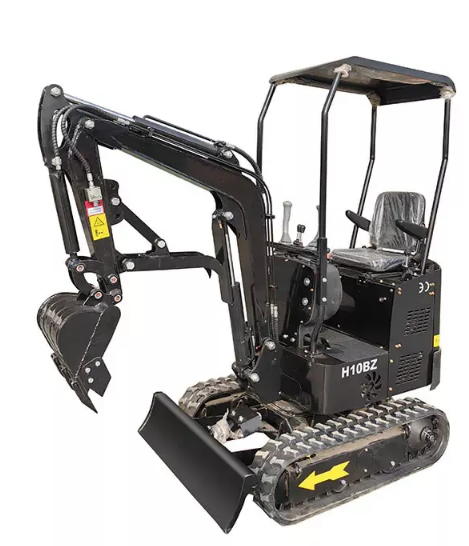
Using the right fuel is essential for keeping your mini excavator running efficiently and reliably. Most manufacturers recommend ultra-low sulfur diesel (ULSD) fuel for compact excavators. This type of fuel reduces harmful emissions and helps protect the engine’s emission control systems.
No. 2 Diesel: The standard choice for most operating conditions, offering good performance and energy content.
No. 1 Diesel: A lighter fuel, often used in colder temperatures because it flows better and reduces the risk of gelling.
Ultra-Low Sulfur Diesel (ULSD): Required to meet modern emission standards; it contains less sulfur, which helps reduce engine wear and exhaust pollution.
Always use fuel that meets your manufacturer's specifications. Using lower-quality or contaminated fuel can cause engine problems, reduce power, and increase maintenance needs.
Fuel gelling happens when diesel fuel thickens or forms wax crystals at low temperatures. This can clog fuel lines and filters, causing the engine to stall or fail to start.
To prevent gelling:
Use Winterized Diesel Blends: These blends contain additives that lower the fuel’s pour point, keeping it fluid in cold weather.
Add Fuel Additives: Anti-gel additives can be mixed into the fuel to improve cold flow properties.
Keep Fuel Tanks Full: A full tank reduces condensation and moisture buildup, which can worsen gelling.
Store Equipment in Heated Areas: When possible, keep your excavator in a heated garage or shed during extreme cold.
Regularly Inspect Fuel Filters: Cold weather can cause filters to clog faster; change them promptly when needed.
By following these fuel guidelines, you ensure your mini excavator starts reliably and runs smoothly—even in freezing temperatures. Quality fuel and proper handling protect your engine and maintain uptime, avoiding costly delays on the job.
Tip: Always source diesel fuel from reputable suppliers and store it in clean, sealed containers to prevent contamination and maintain fuel quality.
Rubber tracks on compact excavators take a lot of abuse. They face rough terrain, sharp objects, and constant movement. Checking them daily helps catch damage early and keeps downtime low.
Look for:
Cuts and Tears: Even small cuts can worsen quickly. Deep tears or holes let moisture in, causing rust on steel parts inside the tracks.
Exposed Steel Embeds: Tracks have steel cables for strength. If you see these, the rubber has worn through and needs attention.
Debris Buildup: Stones, mud, or debris stuck between tracks or rollers can cause uneven wear or damage.
Track Surface Wear: Check for excessive wear on the rubber surface, which reduces traction and can lead to slipping.
Perform these inspections before starting work each day. Clean tracks if needed to remove debris that might cause damage or affect performance.
Proper track tension is critical. Too loose, and the track can derail or de-track, causing costly downtime. Too tight, and it wears out faster and stresses components.
Follow these steps:
Consult the Operator's Manual: It provides the correct tension specifications and adjustment procedures.
Position the Excavator: Usually, the machine should be on level ground with the tracks slightly off the ground for accurate tension adjustment.
Check Tension: Press the track midway between the rollers. The track should have a small amount of give, typically around 1-2 inches (25-50 mm), but refer to your manual.
Adjust as Needed: Use the tensioning grease fitting or adjuster to add or release pressure. Add grease slowly and check tension frequently.
Avoid Over-Tightening: Excessive tension can cause premature wear on the track, sprockets, and rollers.
Regularly monitoring track tension extends track life and avoids unexpected breakdowns. It also improves machine stability and fuel efficiency.
Monitor Undercarriage Components: Idlers, rollers, and sprockets should be inspected periodically for wear or damage.
Operator Driving Habits: Avoid sharp turns, curbs, and abrasive surfaces like concrete or asphalt when possible. Smooth operation protects tracks.
Storage: When not in use, store the excavator in a dry, cool place to prevent track deterioration from weather exposure.
By staying proactive with track inspections and adjustments, you keep your compact excavator ready for work, reduce repair costs, and maximize uptime.
A compact excavator's cooling system depends heavily on proper airflow. Without it, the engine can overheat, causing power loss or serious damage. Dust, dirt, and debris often block airflow, especially in dusty or muddy jobsite conditions.
Here's how to keep airflow optimal:
Daily Visual Checks: Look at the radiator and cooling fan area for obstructions.
Clear Debris: Remove leaves, mud, or other buildup from radiator fins and surrounding areas.
Avoid High-Dust Zones: When possible, limit machine operation in extremely dusty environments or use protective covers designed for airflow.
Check Fan Operation: Ensure the cooling fan spins freely and isn’t damaged or loose.
Inspect Air Intakes: Clean air intake screens and filters regularly to prevent clogging.
Maintaining good airflow means the engine runs cooler, stays efficient, and avoids overheating damage.
Radiators and condensers are critical components in your excavator’s cooling system. They remove heat from the engine coolant and hydraulic oil, keeping temperatures stable.
To maintain them:
Use Low-Pressure Air or Water: Blow out dirt and dust from radiator fins carefully. Avoid high-pressure sprays that can bend or damage fins.
Inspect for Damage: Bent or clogged fins reduce cooling efficiency. Straighten fins gently with a fin comb if needed.
Clean Condensers: These often sit in front of the radiator and can get clogged by debris. Clean them regularly to maintain proper airflow.
Check for Leaks: Look for coolant or oil leaks around radiator hoses and condenser connections.
Schedule Deep Cleaning: Periodically, have a professional flush the cooling system to remove internal buildup and corrosion.
Regular cleaning keeps radiators and condensers working at peak efficiency, preventing engine overheating and costly repairs.
Keeping your compact excavator’s battery and electrical system in good shape is vital for reliable starts and smooth operation. Start by inspecting battery cables and terminals daily or at least weekly. Look for:
Tight Connections: Loose cables can cause poor electrical flow, leading to starting problems or erratic machine behavior.
Corrosion: White or greenish buildup on terminals reduces conductivity. Clean terminals gently using a wire brush and a baking soda-water solution if needed.
Damaged Cables: Check for cracks, frays, or exposed wires that can short-circuit or fail under vibration.
Secure Mounting: Ensure the battery is firmly held in place to prevent damage from movement or shocks.
Regular cleaning and tightening of battery connections prevent voltage drops that can cause downtime. Also, always disconnect the negative cable first when performing maintenance to avoid sparks.
Fuses protect your excavator’s electrical system from overloads and short circuits. If you experience electrical issues such as non-functioning lights, gauges, or controls, a blown fuse might be the cause.
Locate Fuse Box: Refer to the operator’s manual to find the fuse box and identify fuse types and ratings.
Check Fuses: Visually inspect fuses for broken filaments or discoloration.
Use Correct Rating: Always replace fuses with ones of the exact amperage specified by the manufacturer to avoid damage or fire risks.
Keep Spares: Carry spare fuses on-site for quick replacement to minimize downtime.
If fuses blow repeatedly, it signals an underlying electrical problem requiring professional diagnosis.
Regular maintenance is crucial for boosting compact excavator uptime, ensuring long-term efficiency and safety. By following daily checks, fluid monitoring, and proper fuel use, operators can prevent breakdowns and extend machine life. CNMC Machinery offers high-quality excavators with advanced safety features and user-friendly manuals, providing significant value for operators. With CNMC Machinery's reliable equipment, users can achieve optimal performance and reduce costly repairs, enhancing productivity on every jobsite.
A: A compact excavator mini excavator is used for tasks like digging, trenching, and grading in confined spaces, thanks to its small size and versatility.
A: Ensure adequate airflow by clearing debris from radiators and condensers, check fan operation, and schedule regular cleanings to prevent overheating.
A: Daily fluid checks prevent engine damage and downtime by ensuring optimal levels of engine oil, hydraulic fluid, coolant, and fuel.
A: Use winterized diesel blends, anti-gel additives, and keep fuel tanks full to prevent gelling in cold climates.
A: Quality fuel enhances engine efficiency, reduces harmful emissions, and minimizes maintenance needs, ensuring reliable operation.


